When remodeling your kitchen, consider the pros and cons of gas, electric and induction cooktops.
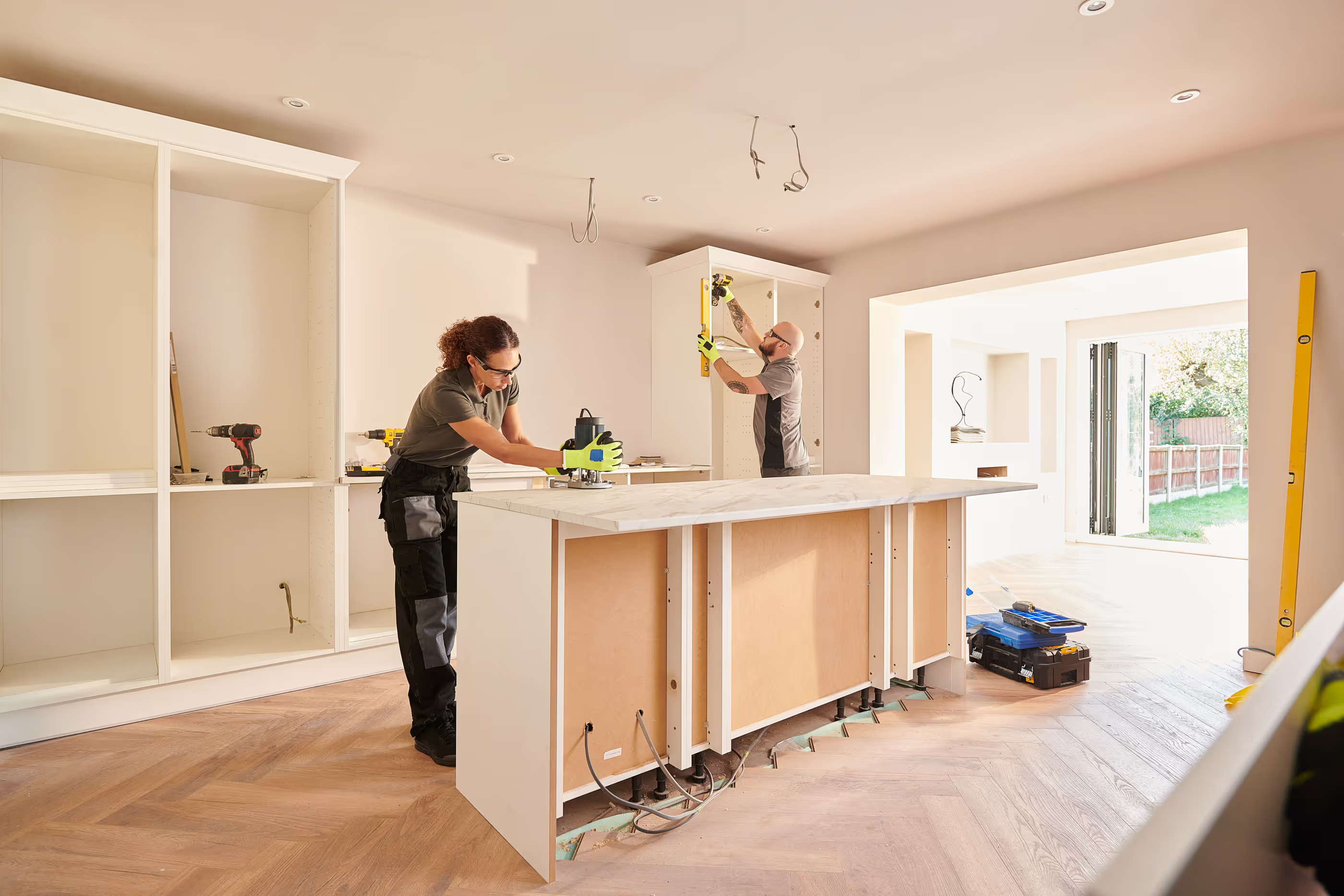
When planning your kitchen remodel in Lakeville, Apple Valley, or Prior Lake, choosing your cooktop might seem straightforward until you realize how dramatically different technologies affect your cooking experience, energy costs, and remodeling budget. After designing hundreds of kitchens across the South Metro, we've helped homeowners navigate this decision based on their cooking style, budget, and home's infrastructure.
Understanding the Three Cooktop Technologies
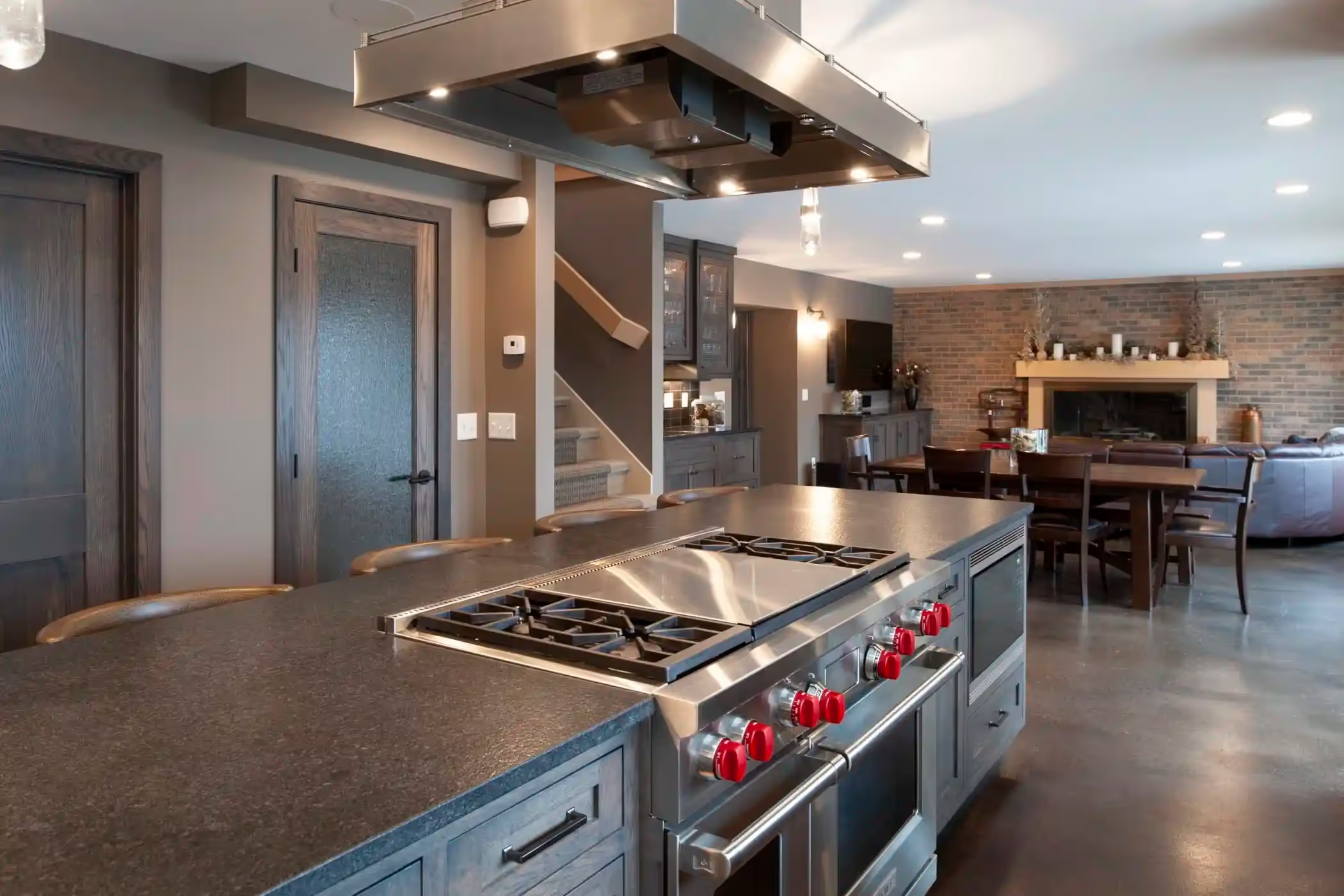
Gas Cooktops: Use natural gas or propane flames for direct heat. You adjust heat instantly by controlling flame height, providing immediate visual feedback and rapid temperature changes.
Electric Cooktops: Use electric coil burners or smooth glass-ceramic surfaces with radiant heating elements underneath. Heat transfers through the cooking surface to your cookware.
Induction Cooktops: Use electromagnetic fields to heat cookware directly rather than heating a burner surface. This technology only works with magnetic cookware (cast iron, magnetic stainless steel) and represents the newest cooktop technology.
Gas Cooktops: Classic Performance
Many professional chefs prefer gas because of instant heat control and visual feedback. You see the flame, adjust it immediately, and get instant response—critical for techniques requiring precise temperature management.
Benefits of Gas Cooktops
Instant Heat Control: The moment you turn the dial, heat increases or decreases immediately. This responsiveness matters when you need to prevent boiling over, reduce a sauce quickly, or jump from simmer to sear.
Visual Feedback: You see exactly how much heat you're applying. This intuitive interface helps cooks of all skill levels achieve better results.
Cookware Compatibility: Gas works with all cookware types—aluminum, copper, cast iron, stainless steel, or ceramic. You're not limited by magnetic requirements.
Cooking During Power Outages: Gas cooktops function during power outages (though electric ignition models may require match lighting). This matters in Minnesota where winter storms occasionally cause extended outages.
Lower Operating Costs: Natural gas typically costs less per BTU than electricity in Minnesota. Depending on your cooking frequency, this can save $100-200 annually.
Gas Cooktop Drawbacks
Installation Complexity: Gas requires a gas line to your cooktop location. If your kitchen doesn't have gas service, adding it costs $2,000-4,000 for line installation. Country Creek Builders coordinates gas line work, ensuring proper permitting and code compliance.
Ventilation Requirements: Gas combustion produces heat, moisture, and combustion byproducts requiring robust ventilation. Minnesota building codes specify minimum ventilation capacities for gas cooking.
Cleaning Challenges: Gas grates and burner caps require regular cleaning. Spills that reach burner assemblies need thorough cleaning to prevent ignition issues.
Ambient Heat: Gas heats your kitchen more than electric or induction. During Minnesota summers, this makes your air conditioning work harder.
Safety Considerations: Open flames present burn risks and require attention to prevent leaving burners on accidentally. Modern gas cooktops include safety features like automatic reignition, but gas safety remains a consideration.
Electric Cooktops: Reliable and Accessible
Electric cooktops come in two styles: traditional coil burners or smooth glass-ceramic surfaces with radiant elements underneath. Both use electric resistance heating.
Benefits of Electric Cooktops
Easy Installation: Every home has electrical service, so electric cooktops don't require new utility connections. This simplifies installation and reduces remodeling costs.
Smooth Surface Options: Glass-ceramic electric cooktops offer seamless surfaces that clean easily. Spills don't fall into burner assemblies or beneath grates.
Even Heat Distribution: Electric burners heat more evenly than gas flames, beneficial for tasks like making pancakes or simmering delicate sauces.
Lower Equipment Costs: Electric cooktops typically cost $500-800 less than comparable gas or induction models. This matters when working within kitchen remodeling budgets.
Safer for Unsupervised Use: No open flames mean lower burn risk. Hot surface indicators warn when cooking surfaces remain hot after turning off.
Electric Cooktop Drawbacks
Slow Temperature Response: Electric burners take time to heat up and cool down. This lag frustrates cooks accustomed to instant response from gas.
Residual Heat: Electric cooktops stay hot long after turning off. While residual heat can be useful for keeping food warm, it presents burn risks and energy waste.
Higher Operating Costs: Electricity costs more per BTU than natural gas in Minnesota. Heavy cooktop users might spend an extra $150-250 annually compared to gas.
Cookware Impact: Electric cooktops perform best with flat-bottomed cookware that maximizes contact. Warped pans heat unevenly.
Glass Surface Fragility: Smooth-top electric cooktops can crack or scratch if you drop heavy cookware or use abrasive cleaners. Replacement costs run $400-800.
Induction Cooktops: Advanced Technology
Induction represents the newest cooking technology, using electromagnetic fields to heat magnetic cookware directly. The cooking surface remains relatively cool while your pan heats rapidly.
Benefits of Induction Cooktops
Fastest Heating: Induction boils water faster than gas or electric, transferring energy directly to cookware with 90% efficiency. This speed transforms cooking routines.
Precise Temperature Control: Digital controls offer exact temperature settings. You can hold specific temperatures perfectly—ideal for delicate tasks like tempering chocolate or making candy.
Cool Cooking Surface: The glass surface stays relatively cool because heat generates in your cookware, not the cooktop. Spills don't bake onto the surface, making cleanup effortless.
Energy Efficiency: Induction is the most energy-efficient cooking method, wasting less heat than gas or electric. This reduces cooking costs and keeps your kitchen cooler during summer.
Safety Features: With no open flames and a surface that doesn't get scorching hot, induction is the safest cooking technology. Most models won't activate without magnetic cookware present, preventing accidental activation.
Induction Cooktop Drawbacks
Higher Purchase Price: Induction cooktops cost $1,200-3,000—substantially more than electric ($600-1,200) or gas ($800-1,800) options. This premium represents 10-15% of typical kitchen remodeling budgets.
Cookware Requirements: Induction only works with magnetic cookware. You'll need to replace aluminum, copper, and non-magnetic stainless steel pots and pans. Budget $500-1,500 for a complete cookware set.
Learning Curve: Induction's responsiveness surprises first-time users. You might burn food initially because temperature changes happen so quickly.
Electrical Requirements: Induction demands 240-volt service with adequate amperage. Your kitchen might need electrical panel upgrades, adding $1,000-2,500 to installation costs.
Buzzing Sounds: Some induction cooktops produce buzzing or humming from electromagnetic fields, especially with certain cookware. This bothers noise-sensitive cooks.
Making the Right Choice for Your Kitchen
When we design kitchens at Country Creek Builders, we help homeowners evaluate these factors:
Cooking Style: Serious cooks who value immediate heat response traditionally prefer gas. However, many professional chefs now embrace induction for its precision and speed. Casual cooks find electric perfectly adequate.
Existing Infrastructure: If your home has natural gas service to the kitchen area, gas cooktops make economic sense. Homes without gas would need significant investment to add gas lines, potentially making electric or induction more practical.
Budget Considerations: Tier 1 kitchen remodels ($75k-$90k) typically include electric cooktops to maximize value. Tier 2 and 3 projects might incorporate gas or induction based on homeowner preferences and infrastructure.
Environmental Concerns: Induction produces the lowest carbon footprint, especially when powered by renewable energy. Gas cooking produces combustion byproducts including nitrogen dioxide, a consideration for air quality-conscious homeowners.
Resale Value: South Metro buyers have mixed preferences. Some specifically want gas cooking, while others prefer the modern technology of induction. Electric cooktops are universally acceptable but less exciting to buyers.
Minnesota-Specific Considerations
Winter Performance: Gas cooktops function during power outages—valuable during Minnesota's winter storms. However, most modern gas cooktops use electric ignition, limiting this advantage.
Heating Season Benefits: Gas and electric cooktops add heat to your home during Minnesota's long heating season, reducing furnace workload. Induction's efficiency means less waste heat—beneficial in summer but potentially increasing heating costs slightly in winter.
Ventilation Requirements: Minnesota building codes require specific ventilation for gas cooking. We design kitchen layouts accounting for proper range hood placement and ducting, ensuring code compliance while maintaining aesthetics.
Installation Considerations in Remodels
When we design kitchens, cooktop selection affects multiple project aspects:
Electrical Requirements: Gas cooktops need 120-volt service for ignition and vent hoods. Electric cooktops need 240-volt/40-50 amp circuits. Induction requires 240-volt service with adequate amperage—sometimes necessitating electrical panel upgrades.
Ventilation Design: We coordinate cooktop selection with range hood specifications. Gas cooking requires higher CFM ventilation capacity than electric or induction.
Countertop Cutouts: Each cooktop type has specific cutout requirements. We create detailed plans ensuring proper cutout dimensions in your quartz or granite countertops.
Cabinet Modifications: Cooktops need adequate clearance beneath for wiring, gas connections, and heat dissipation. Our cabinet designs account for these requirements.
Real Project Examples from Our Portfolio
In a Lakeville Tier 3 kitchen remodel, we installed a 36-inch gas cooktop with six burners, coordinating gas line installation with the plumbing contractor. The homeowners—passionate home cooks—valued instant heat control and the professional cooking experience gas provides.
In an Apple Valley kitchen, we installed a 30-inch induction cooktop for homeowners embracing modern technology. They appreciated the precision, speed, and easy cleanup. We upgraded their electrical panel to support the 240-volt/50-amp requirement and helped them select compatible cookware.
In a Prior Lake Tier 2 remodel, we specified an electric smooth-top cooktop that fit their budget while providing reliable performance. The seamless surface complemented their modern aesthetic and proved easy to maintain.
Ongoing Operating Costs
Based on typical Minnesota utility rates (2024):
Gas Cooktop: $100-200/year for moderate cooking (natural gas at $1.20/therm)
Electric Cooktop: $250-350/year for moderate cooking (electricity at $0.13/kWh)
Induction Cooktop: $180-280/year for moderate cooking (electricity at $0.13/kWh, but higher efficiency)
These estimates assume one hour of daily cooking. Your actual costs vary based on cooking frequency, efficiency, and utility rates.
The Country Creek Design-Build Advantage
When you work with our in-house design team, we guide you through these decisions based on your cooking style, budget, and home's infrastructure. We coordinate all trades—electrical, gas, cabinetry, and countertops—ensuring your cooktop integrates seamlessly into your kitchen design.
Our experience with 586+ completed projects means we've installed every cooktop type in every configuration. We know which brands offer the best reliability, which models provide the features that matter, and how to design around your cooktop selection for optimal workflow.
Your Next Steps
Your cooktop choice affects your daily cooking experience and remodeling budget. Start with a consultation with Country Creek Builders where we'll discuss your cooking style, evaluate your home's infrastructure, and show you options that work within your budget.
With our systematic design-build approach, you'll understand exactly what each option costs, how it affects your kitchen layout, and which choice best serves your family's needs.
Explore our kitchen remodeling services or contact us today to begin planning your dream kitchen with the perfect cooking surface for your lifestyle.
We're based out of the South Metro Twin Cities, and we serve both