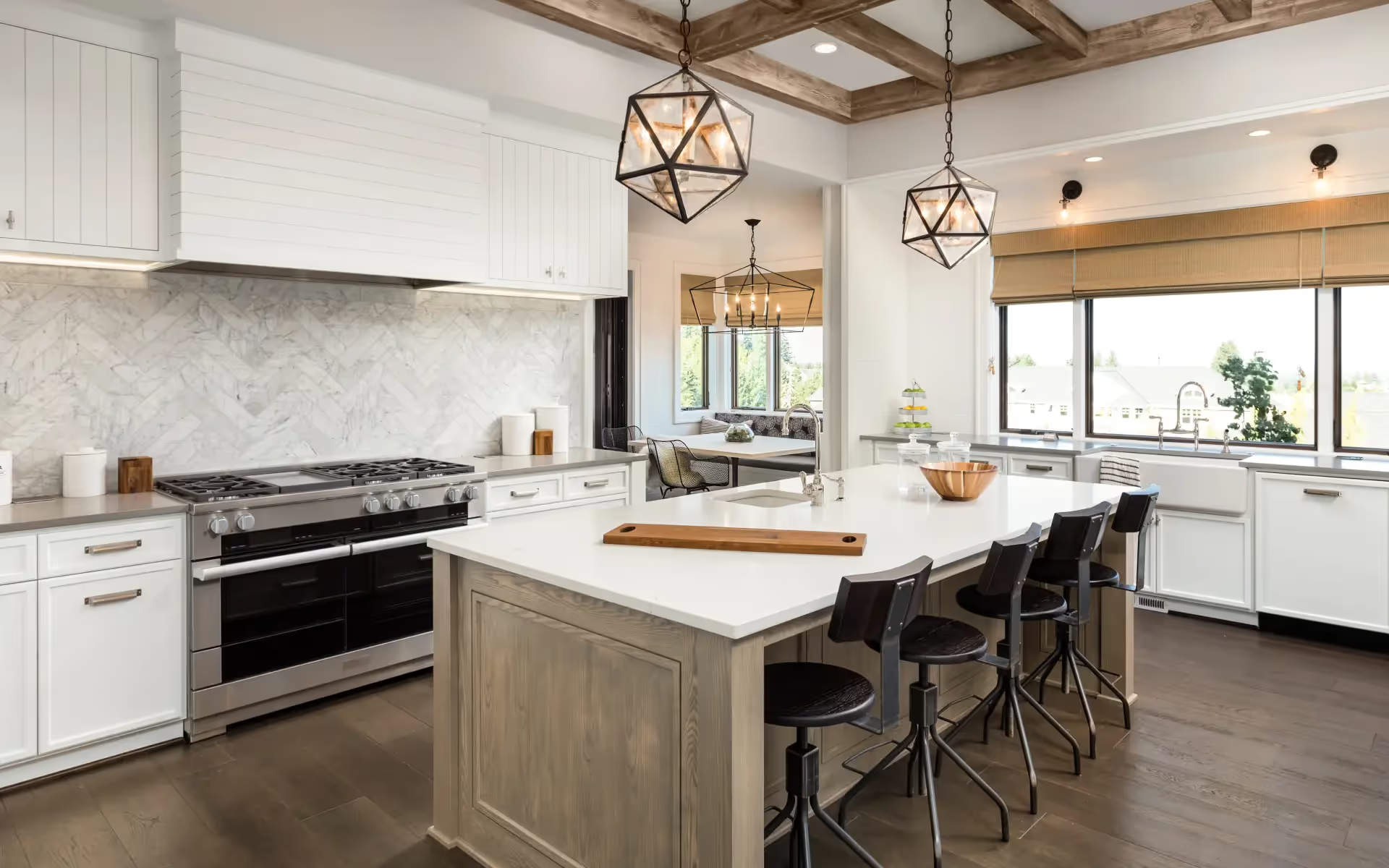
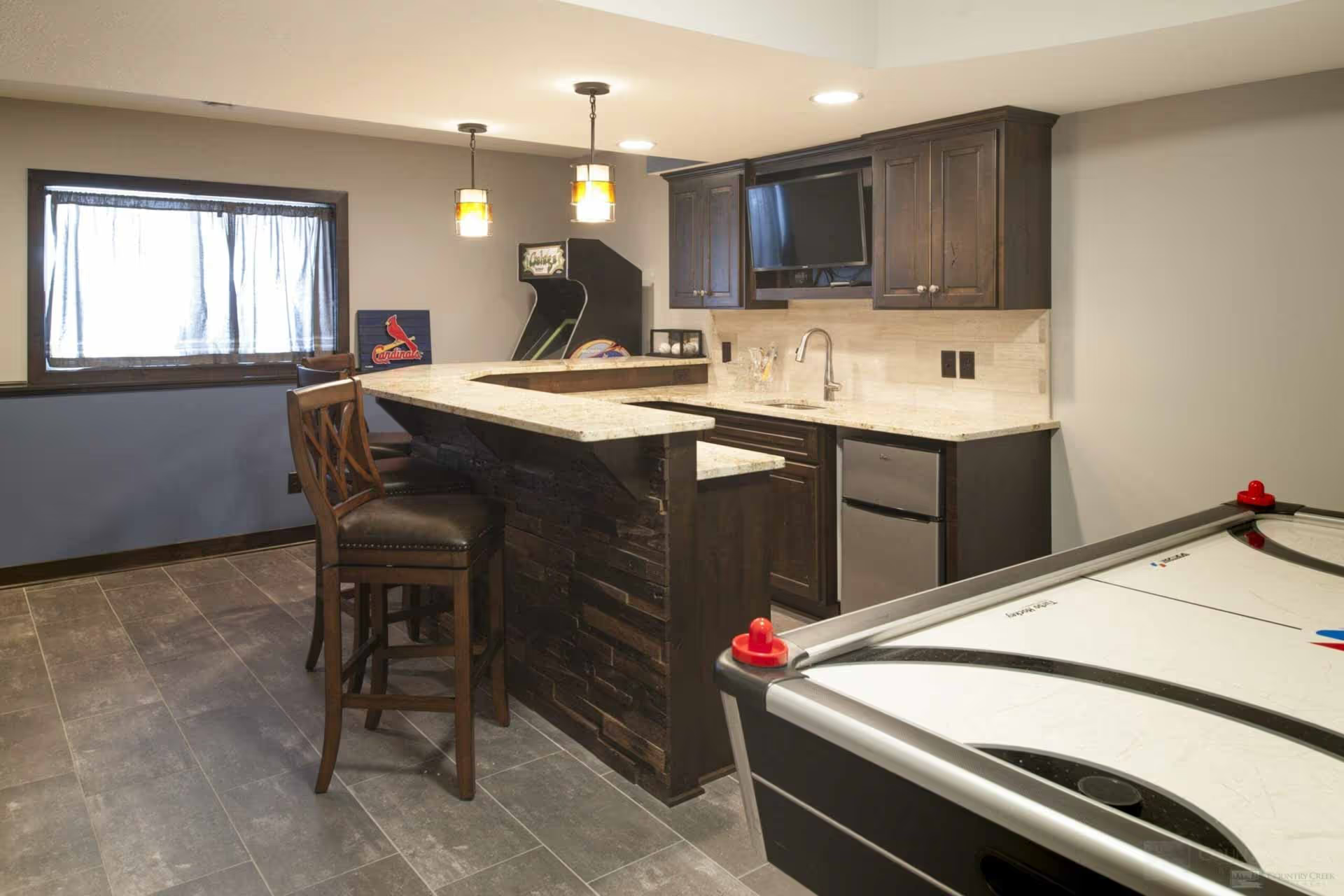
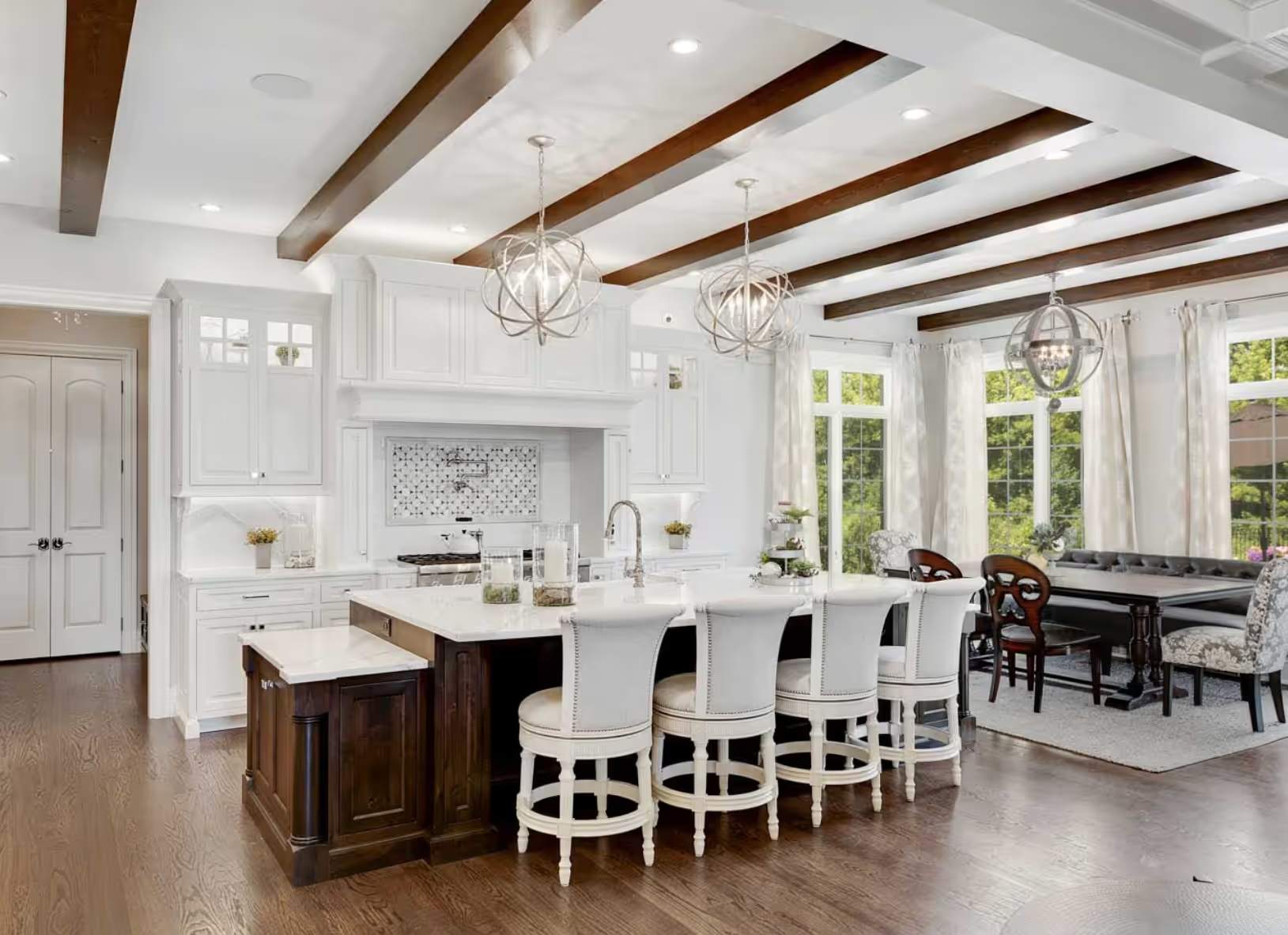
When planning your kitchen remodel, consider the pros and cons between quartz and granite countertops.
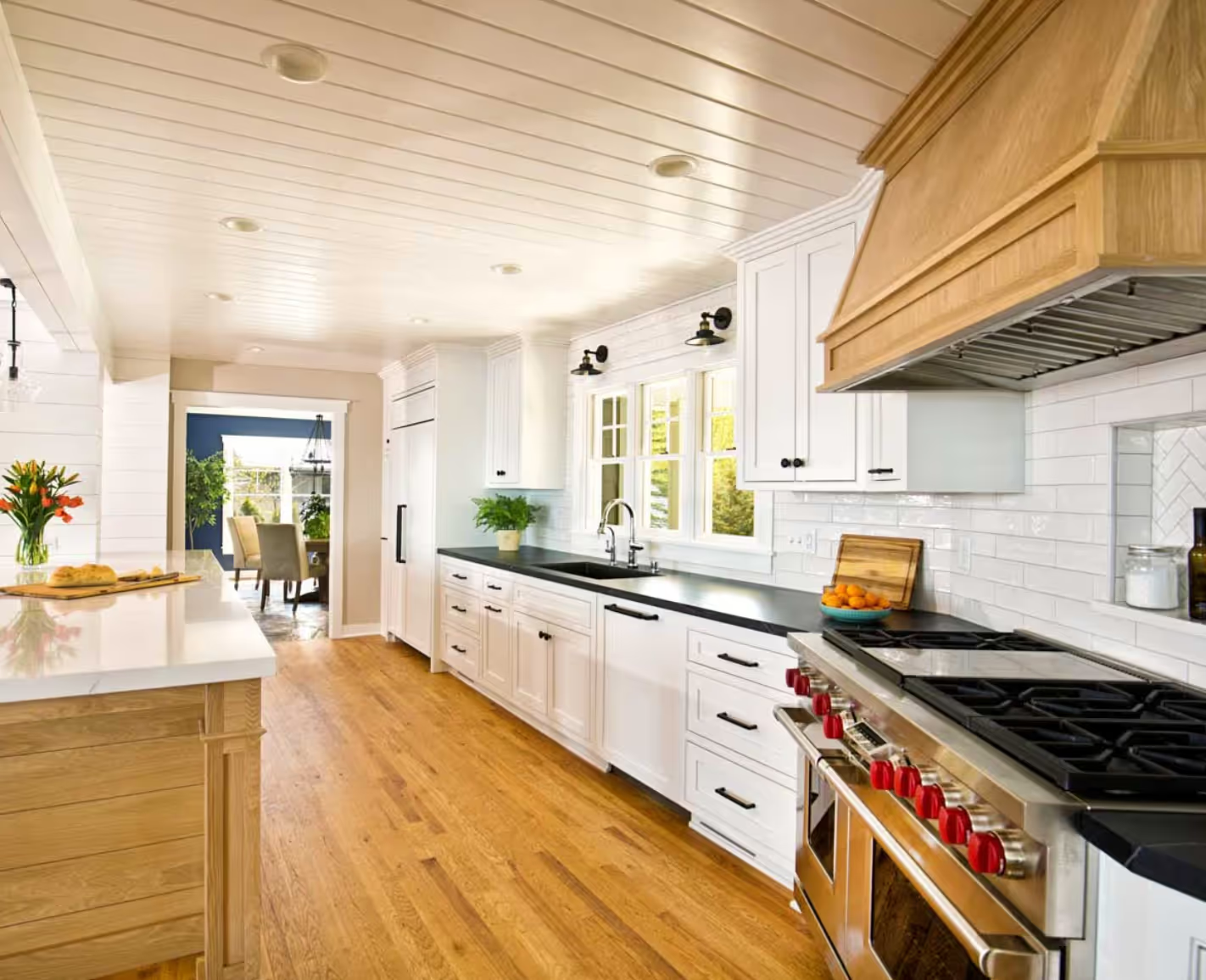
Selecting countertops represents one of the most visible and expensive decisions in your kitchen remodel or bathroom renovation. After designing hundreds of projects across Lakeville, Apple Valley, and Prior Lake, we've helped homeowners navigate the quartz versus granite decision based on lifestyle, aesthetics, and budget. Both materials offer exceptional beauty and durability, but understanding their differences helps you make the right choice for your South Metro home.
Understanding Granite: Natural Stone Beauty
Granite is a natural igneous rock formed from cooled magma deep within the earth. Each slab contains unique patterns, colors, and mineral compositions making every installation truly one-of-a-kind. Granite has served as the premium countertop choice for decades, and remains popular in the South Metro market.
Granite's Natural Advantages
Unique Beauty: No two granite slabs are identical. The natural variation means your countertops will be genuinely unique—impossible to replicate. For homeowners who value authentic materials with inherent character, granite delivers unmatched appeal.
Heat Resistance: Granite tolerates hot pots and pans directly from the stove or oven without damage. While we still recommend using trivets to protect sealant, granite won't scorch, melt, or discolor from typical cooking heat.
Value Perception: Despite quartz's rising popularity, many South Metro homebuyers still perceive granite as the premium choice. In kitchen remodels focused on resale value, granite often delivers strong return on investment.
Wide Selection: Granite slabs come in virtually every color imaginable—from whites and blacks to blues, greens, and reds. Whether your style is traditional, contemporary, or transitional, granite options exist to complement your design.
Established Supply Chain: Granite fabrication is well-established in the Twin Cities metro, with multiple fabricators offering competitive pricing and proven installation experience.
Granite's Considerations
Sealing Requirements: Granite is porous, requiring periodic sealing to prevent staining. Most granite needs resealing annually, though denser varieties may extend to every 2-3 years. While modern sealants make this easy, it represents ongoing maintenance.
Staining Potential: Unsealed or poorly-sealed granite can stain from oils, acids (wine, citrus), and pigmented liquids. Prompt cleanup prevents most stains, but granite requires more attention than quartz.
Pattern Matching Challenges: Because granite is natural stone, matching patterns across seams can be difficult or impossible. Large kitchens requiring multiple slabs may show noticeable variation between pieces.
Selection Process: Choosing granite requires visiting fabrication yards to select your actual slabs. This ensures you get the exact coloring and pattern you want, but adds time to your remodeling schedule.
Understanding Quartz: Engineered Perfection
Quartz countertops are engineered surfaces combining approximately 93% ground natural quartz with 7% polymer resins and pigments. This manufacturing process creates incredibly strong, non-porous surfaces with consistent patterns impossible to achieve with natural stone.
Quartz's Engineered Advantages
Zero Maintenance: Quartz never requires sealing. Its non-porous surface resists staining naturally without protective treatments. Wipe it clean and you're done—perfect for busy South Metro families.
Stain Resistance: Spilled wine, coffee, oils, and acids don't penetrate quartz surfaces. Even if left overnight, most substances wipe away without leaving permanent marks.
Consistent Patterns: Manufactured patterns remain consistent across slabs, making seams less noticeable than with granite. This matters in large kitchen islands or peninsulas requiring multiple pieces.
Antibacterial Properties: Quartz's non-porous surface prevents bacteria growth, making it exceptionally hygienic for food preparation—particularly valuable for families with young children or immune-compromised household members.
Durability: Quartz resists scratching, chipping, and cracking better than granite. Its engineered composition creates consistent strength throughout the material without natural weak points.
Quartz's Considerations
Heat Sensitivity: Quartz can discolor, scorch, or crack when exposed to extreme heat. Always use trivets under hot cookware—setting a pot directly from the stove onto quartz may cause permanent damage.
Less Natural Appearance: While quartz manufacturers have improved natural-looking patterns, discerning eyes can sometimes identify the manufactured regularity distinguishing it from genuine natural stone.
Higher Cost: Premium quartz typically costs 10-20% more than comparable granite. This price difference affects overall kitchen remodeling budgets, potentially shifting your project between pricing tiers.
UV Sensitivity: Prolonged direct sunlight exposure can cause some quartz colors to fade or yellow over time. This rarely affects indoor installations but matters for outdoor kitchens or sunroom applications.
Weight: Quartz weighs slightly more than granite, occasionally requiring cabinet reinforcement—though this is rare in properly-designed kitchen cabinetry.
2026 Design Trends in Countertop Selection
Veined Quartz Patterns: Manufacturers have perfected quartz that mimics marble and granite veining so convincingly that only experts can distinguish it from natural stone. These patterns dominate 2026 kitchen design trends.
Bold Granite Slabs: While white and gray granite dominated recent years, 2026 sees renewed interest in dramatic granites featuring bold colors, exotic patterns, and striking veining—particularly in statement islands.
Matte Finishes: Both quartz and granite now offer honed or matte finishes providing sophisticated, contemporary aesthetics without glossy shine. These finishes hide fingerprints and water spots better than polished surfaces.
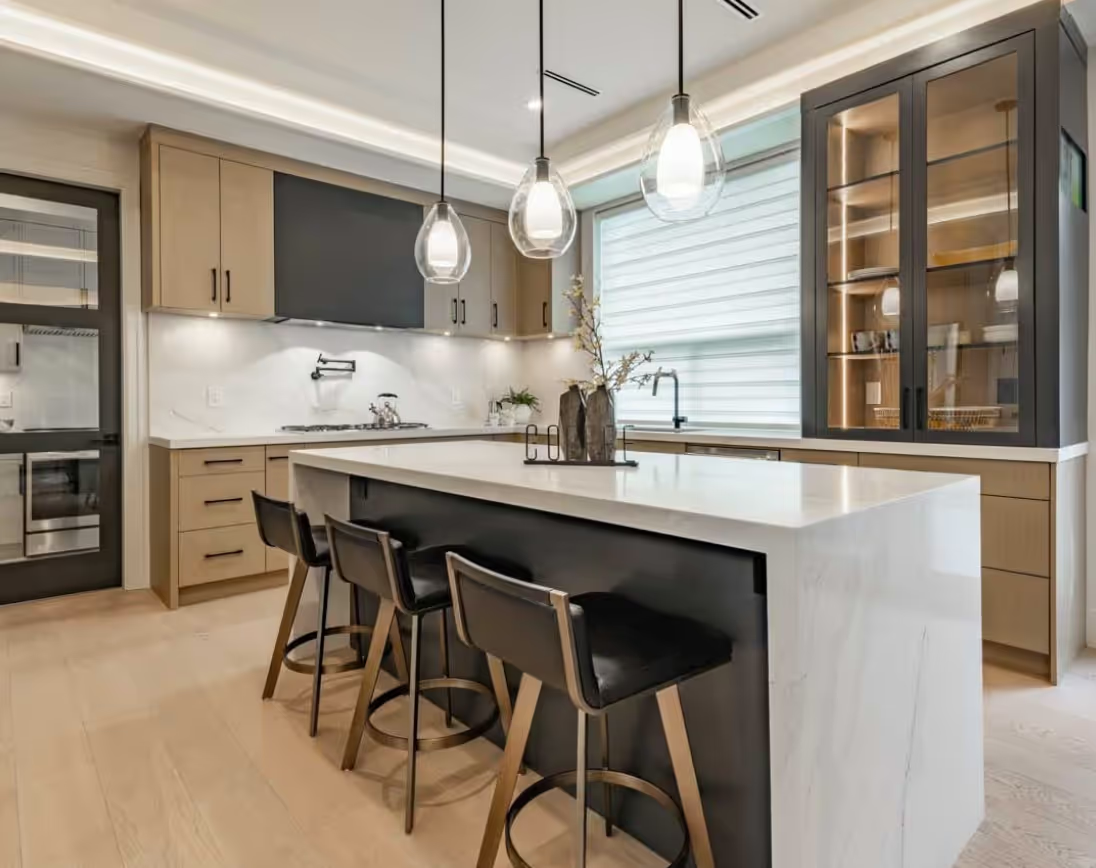
Waterfall Edges: Countertops extending vertically down island ends create dramatic waterfall effects. Both quartz and granite work beautifully for this detail, though quartz's consistent patterns sometimes make seams less visible.
Mixed Materials: Some South Metro homeowners choose quartz for perimeter counters (for durability and maintenance) while using dramatic granite for the island (as a focal point). This combination offers practical benefits while showcasing natural stone beauty.
Cost Comparison in the South Metro Market (2026)
Granite Countertops: $45-120 per square foot installed, depending on rarity, color, and slab size. Common colors (blacks, grays, beiges) fall in the $45-65 range. Exotic colors and patterns reach $80-120 per square foot.
Quartz Countertops: $65-140 per square foot installed, depending on brand and style. Basic quartz colors start around $65-80 per square foot. Premium brands with marble-look veining reach $100-140 per square foot.
For typical Tier 2 kitchen remodels with 60 square feet of countertop (including island), expect:
These figures include fabrication, installation, undermount sink cutouts, and standard edge profiles.
Performance Comparison for Common Scenarios
Busy Families with Young Children: Quartz wins for ease of maintenance and stain resistance. Parents don't have time to worry about sealing or immediate cleanup of every spill.
Serious Home Cooks: Granite's heat resistance appeals to cooks who set hot pots directly on counters, though both materials perform well with proper trivet use.
Resale-Focused Remodels: Both materials appeal to buyers. In the South Metro market, the choice matters less than overall quality and design execution.
Low-Maintenance Preferences: Quartz clearly wins with zero sealing requirements and superior stain resistance making daily care effortless.
Style Preferences: Both materials offer extensive style options. Granite provides irreplaceable natural uniqueness; quartz offers consistent patterns and colors impossible with natural stone.
Real Project Examples from Our Portfolio
In a Lakeville Tier 3 kitchen remodel, we installed level 5 quartz throughout—white quartz with gray veining that mimics marble. The homeowners specifically wanted maintenance-free counters with consistent patterns across a large island and extensive perimeter counters.
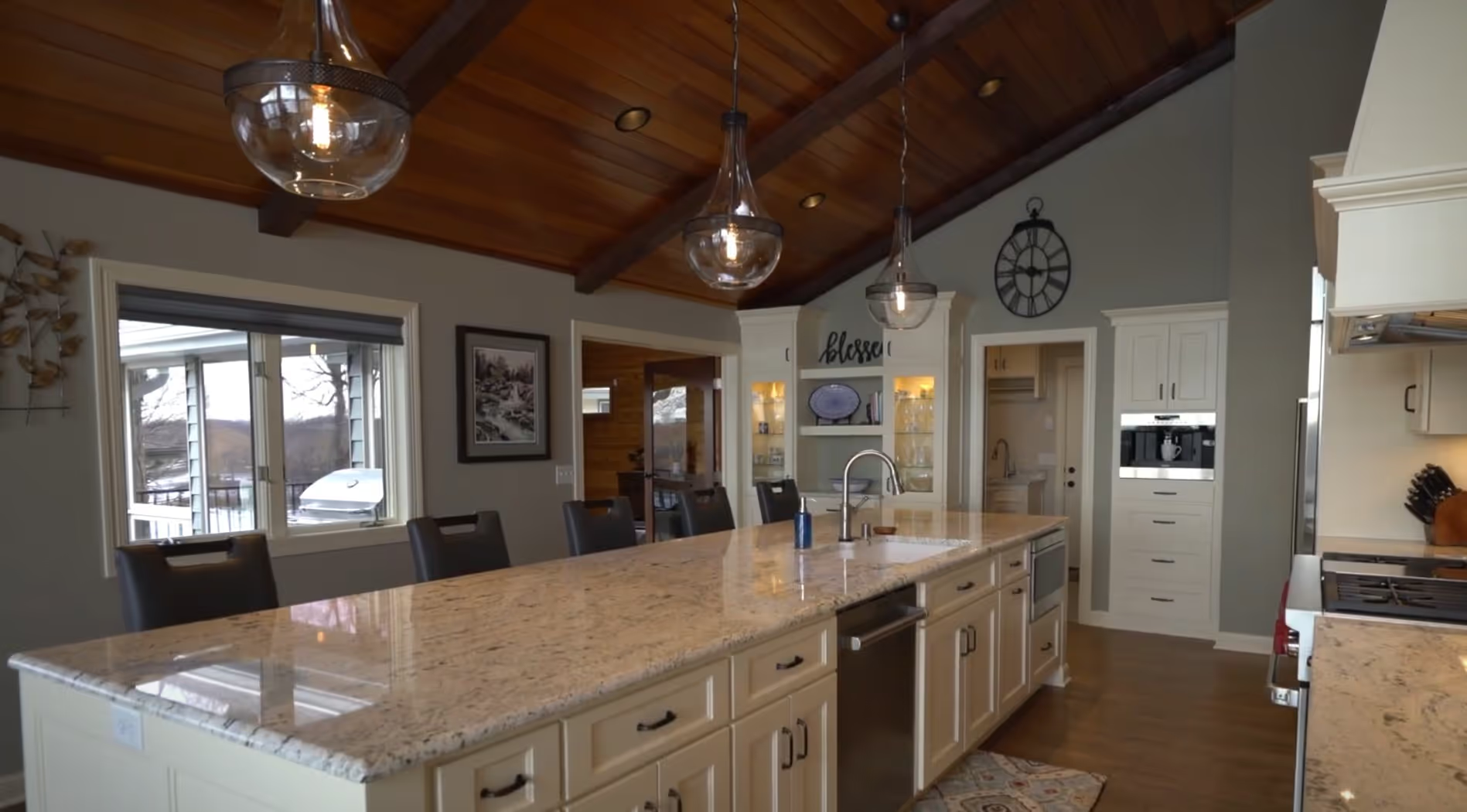
In an Apple Valley home, we used exotic granite featuring dramatic blue-gray tones with gold veining. The homeowners valued natural stone's uniqueness and had specifically requested we help them find a distinctive slab. They understood granite's sealing requirements and considered them worthwhile for the incredible natural beauty.
In Prior Lake, we installed tier 4 granite for perimeter counters and premium quartz for the island in a Tier 4 kitchen remodel. This combination provided maintenance-free performance where the family gathered while showcasing dramatic natural stone around the kitchen's perimeter.
Maintenance Requirements Comparison
Granite Daily Care: Wipe with warm water and mild soap. Blot spills promptly, especially oils and acids. Use cutting boards and trivets. Reseal annually or as needed (water droplets should bead on properly-sealed granite).
Quartz Daily Care: Wipe with warm water and mild soap. Avoid abrasive cleaners or pads. Use cutting boards and trivets for hot items. No sealing required, ever.
Both materials should avoid harsh chemicals, though quartz tolerates slightly more aggressive cleaners than granite.
Environmental Considerations
Granite Environmental Impact: Natural stone mining creates environmental impact through excavation, transportation, and processing. However, granite's durability means it lasts decades or longer, reducing lifecycle environmental costs. Granite is natural and non-toxic.
Quartz Environmental Impact: Manufacturing quartz requires energy-intensive processes and petroleum-based resins. However, most quartz contains recycled content, and its durability ensures decades of use. Some manufacturers now offer quartz with eco-friendly resin alternatives.
Neither material clearly wins the environmental comparison—both offer long-lasting durability reducing replacement frequency.
How Country Creek Builders Helps You Decide
During our design-build process, we guide homeowners through countertop selection based on:
Your Lifestyle: We ask detailed questions about cooking habits, family composition, maintenance preferences, and style priorities to recommend materials matching your real-world needs.
Design Goals: Our in-house designers show you how different countertop materials complement your cabinet choices, backsplash options, and overall aesthetic vision.
Budget Realities: We provide transparent pricing across our kitchen remodeling tiers, showing exactly what countertop selections cost within your overall budget.
Hands-On Experience: We arrange fabrication yard visits where you can see, touch, and compare actual granite slabs or quartz samples. This tangible experience helps you decide confidently.
Installation Excellence: Both granite and quartz require expert fabrication and installation. Our long-term relationships with quality fabricators ensure beautiful results and proper installation that lasts decades.
Edge Profile Options
Both granite and quartz offer various edge profiles affecting final costs:
Eased Edge: Standard flat edge with slightly rounded corners—included in base pricing. Clean, contemporary look suitable for any style.
Beveled Edge: Angled edge creating subtle detail—minimal upcharge ($3-5/linear foot). Adds refinement without complexity.
Ogee Edge: Traditional curved profile—premium detail ($15-25/linear foot). Classical elegance for formal kitchen designs.
Waterfall Edge: Countertop material extends vertically down island ends—premium detail requiring precise fabrication ($400-800 per end). Dramatic contemporary statement.
We help homeowners choose edge profiles complementing their overall design while respecting budget realities.
The Installation Process
Timeline: Countertop fabrication and installation typically occur 4-6 weeks after template measurement. This timing affects overall kitchen remodeling schedules, which we coordinate carefully to prevent delays.
Templating: Once cabinets are installed and set, fabricators create precise templates. This ensures perfect fit around appliances, sinks, and fixtures.
Fabrication: Fabrication takes 2-3 weeks as slabs are cut, edges profiled, cutouts made for sinks and cooktops, and surfaces finished.
Installation: Experienced installers position and secure countertops, typically completing installation in 4-8 hours depending on layout complexity. Plumbers connect sinks, completing your kitchen.
Your Next Steps
Choosing between quartz and granite affects both your kitchen's aesthetics and your daily experience for decades. Start with a consultation with Country Creek Builders where we'll discuss your priorities, show you examples of both materials in installed kitchens, and help you make this important decision confidently.
Our 25+ years designing South Metro kitchens means we've installed hundreds of both quartz and granite countertops. We understand which materials work best in different scenarios and can guide you toward choices you'll love for years to come.
Explore our kitchen remodeling services or contact us today to begin planning your dream kitchen with the perfect countertops for your lifestyle.
We're based out of the South Metro Twin Cities, and we serve both

.avif)